About QuickSketchArt
QuickSketchArt is built around short, practical sketching exercises that help new learners use loose lines, simple forms, and light construction marks before chasing finished details.

A Practical Way To Begin Sketching
The course approach starts with everyday objects, quick observation, and manageable sketchbook pages. Instead of treating each drawing as a polished artwork, learners practice placing the main shape, checking proportions, and choosing clearer outlines step by step.
Rough marks, angle checks, and light guide lines are treated as useful parts of the process. The goal is to make sketching feel more understandable through repeated practice with lines, boxes, cylinders, ellipses, shadow shapes, and simple review cues.
How Practice Is Shaped
Simple Forms
First
Objects are broken into circles, boxes, cylinders, and wedges before details are added, so the sketch has a clearer base.
Light Marks
Before Detail
Learners use soft construction lines to test placement, angles, and proportions before committing to darker contours.
Observation
Over Guessing
Exercises encourage looking at real edges, negative space, overlap, and shadow shapes instead of drawing from memory alone.
Practice Principles

Warmup Marks

Timed Sketches
Shape Breakdown
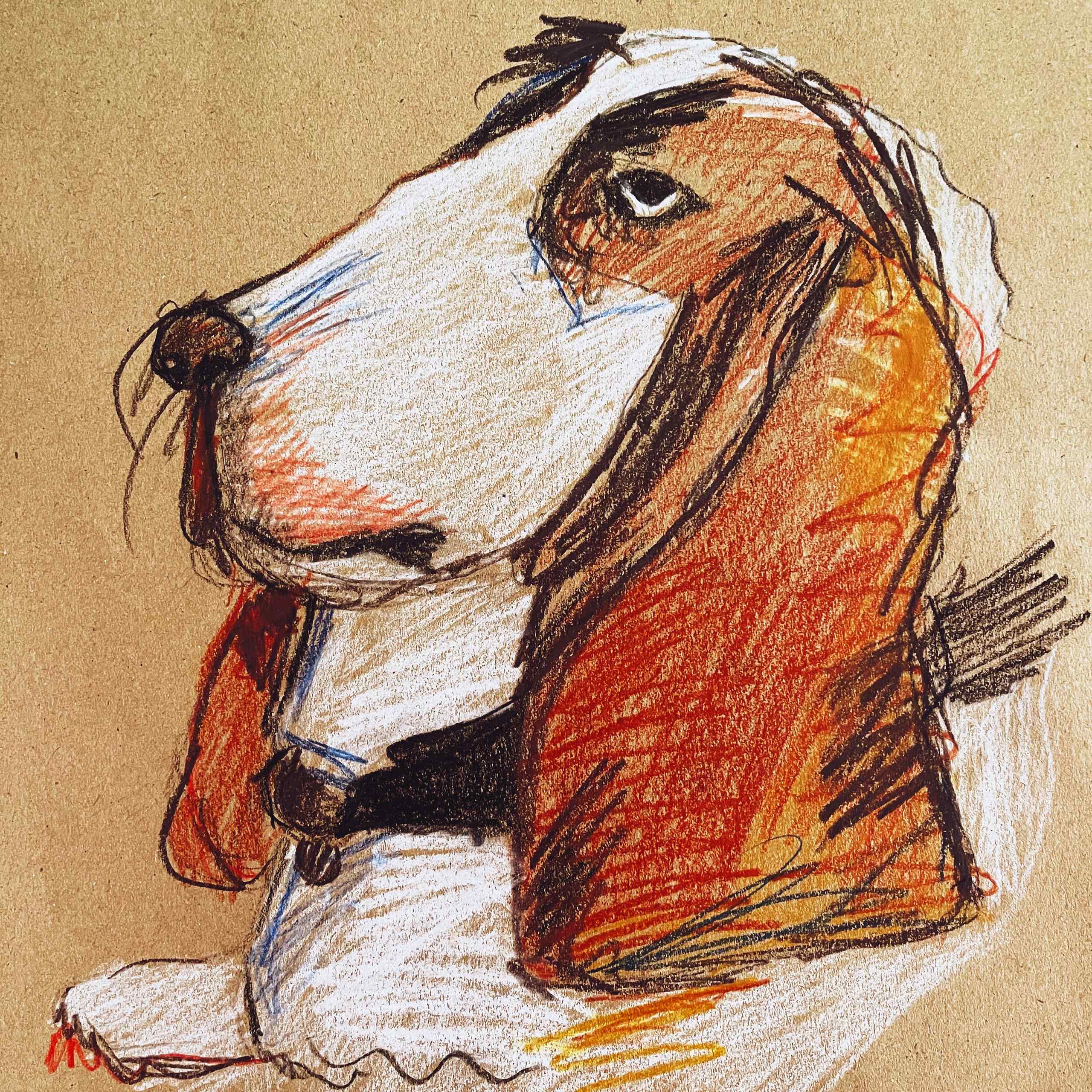
One-Cue Review
Ready To Fill A Sketchbook?
Use the blog for practical sketching notes, or ask a course question before choosing your first practice step.